
Tuscan Ribollita with Kale and White Beans
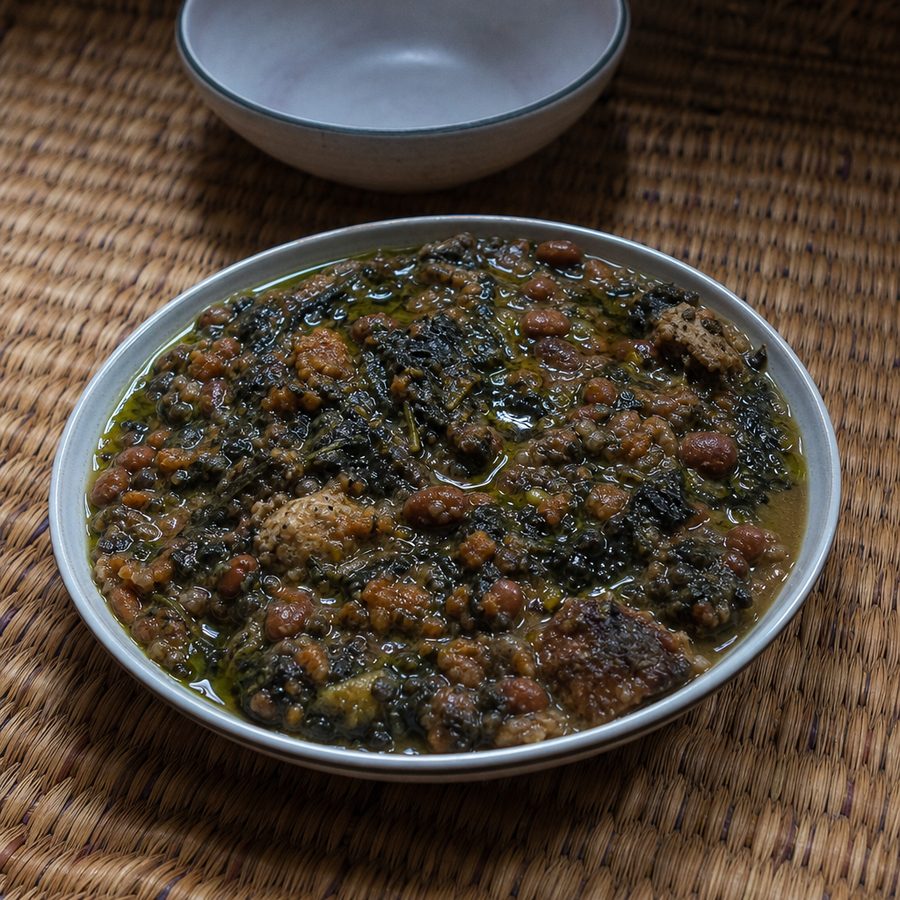
A thick Tuscan pot of dark kale, cabbage, and white beans built on a slow soffritto, thickened with torn bread until a spoon stands up in it, and finished with a hard pour of olive oil.
Why You'll Love This Recipe
Ribollita means reboiled, and the name tells you everything about where the dish came from: a pot of yesterday's vegetable soup, thickened with yesterday's bread, cooked again until it was better than it had been the first time. That history is why this recipe has two stages and why I refuse to shorten it. Cooking a soup and then cooking it again does something that one long simmer does not. The bread breaks down completely, the starch from the beans and the bread bind everything, and what was a thin winter soup becomes almost a pudding of vegetables.
The kale is the flavor and the bread is the structure. Lacinato kale, the dark bumpy kind, holds up to an hour in a pot and only gets sweeter, so do not be gentle with it. The beans do double duty: half of them stay whole and half get crushed against the side of the pot, and that starch is what makes the texture. I use canned beans without apology on a weeknight, though a pot of dried cannellini simmered with a sage leaf and a garlic clove will always be better and the bean liquid is worth keeping.
This is a dinner for a cold night and a lunch for the three days after it. It reheats better than almost anything I cook, and in Tuscany it is often eaten at room temperature in the warmer months, which sounds strange until you try it. Serve it in shallow bowls with a spoon, more black pepper, and the best olive oil you own poured over the top in an amount that would be embarrassing anywhere else. That last pour is a real ingredient, not a flourish.
Ingredients
- 4 tbsp extra virgin olive oil, divided
- 1 large yellow onion, finely chopped
- 2 small carrots, finely chopped
- 2 celery stalks, finely chopped
- 4 garlic cloves, minced
- 1 tbsp chopped fresh rosemary
- 1 tsp fresh thyme leaves
- 1/4 tsp crushed red chili flakes
- 3/4 cup canned crushed tomatoes, no salt added
- 2 large bunches lacinato kale (about 1 lb), stems stripped out and leaves torn
- 1/4 head savoy cabbage (about 7 oz), shredded
- One 15-oz can cannellini beans, drained and rinsed well
- 3 thick slices day-old country bread (about 3 oz), crusts left on, torn into rough pieces
- 3/4 tsp coarsely ground black pepper
- 1/8 tsp fine sea salt
Instructions
- Build the soffritto slowly: Warm 3 tbsp of the olive oil in a heavy Dutch oven over medium-low heat. Add the onion, carrot, and celery with the salt and cook for twelve to fifteen minutes, stirring every few minutes. This is the step people rush. You want everything completely soft and starting to look translucent, with no browning at all. Add the garlic, rosemary, thyme, and chili flakes and cook two minutes more.
- Add the tomato and the greens: Stir in the crushed tomatoes and cook for three minutes, until they darken and thicken. Add the kale and cabbage in handfuls, turning each through the pot until it wilts. It will seem impossible to fit and it will all go in. Pour in 5 cups of water, bring it to a simmer, and cook uncovered for twenty five minutes.
- Add the beans and crush some: Stir in the drained cannellini beans and the black pepper. Simmer for another ten minutes, then press about half the beans against the side of the pot with a wooden spoon. You will see the broth thicken and go cloudy as the starch comes out. At this point it should look like a substantial soup rather than a stew.
- Stir in the bread and let it rest: Take the pot off the heat and stir in the torn bread. Cover it and leave it alone for at least thirty minutes, or refrigerate it overnight, which is better. The bread swells and then falls apart, and the liquid it drinks is the whole reason the finished dish is thick. Do not stir it during this time.
- Reboil and finish: Set the pot back over medium-low heat and cook for ten minutes, stirring often and scraping the bottom, until it is very thick. A spoon pushed upright into the middle should stay standing for a second before it leans. Loosen it with a little water if it has gone past that. Ladle into shallow bowls and pour the remaining tablespoon of olive oil over the top, dividing it between the bowls.
Variations
- From dried beans: Simmer a cup of dried cannellini with a sage sprig and a garlic clove until creamy, then use the beans and two cups of their cooking liquid in place of the canned beans and some of the water.
- Potato in the pot: Add a peeled, diced gold potato with the greens for an even heavier, more filling version common in the Tuscan countryside.
- Fennel and orange: Add a chopped fennel bulb to the soffritto and a wide strip of orange zest with the tomatoes for a lighter, more perfumed pot.
- Baked and crisped: Spread the finished ribollita in an oiled baking dish, drizzle with oil, and bake at 425°F for twenty minutes until the top browns and crisps.
- With a poached egg: Set a soft poached egg on each bowl and break it through the greens, which turns leftovers into a very good lunch.
Storage & Leftovers
Five days sealed in the refrigerator, and unlike almost everything else this genuinely gets better every day for the first three. The bread keeps breaking down, the rosemary settles into the beans, and by day two it has gone from thick to sliceable. It will set solid when cold, which is correct and not a sign that anything went wrong.
Reheat it in a pot over medium-low heat with a splash of water, stirring, for six to eight minutes. Add water a little at a time, because it is easy to overshoot and turn a fork dish back into a bowl of soup. Always add a fresh pour of olive oil to the reheated bowl, since the oil stirred in yesterday has lost the green, peppery bite that makes it worth using.
It freezes for up to three months and holds up well, which surprises people given the bread in it. Freeze it flat in sealed portions, thaw overnight in the refrigerator, and reheat slowly with extra water. A fresh grind of black pepper and good oil at the end brings a frozen batch most of the way back.
Notes & Tips
- Give the soffritto its full fifteen minutes: Every bit of sweetness in the finished pot comes from this step. Onion, carrot, and celery rushed over high heat taste sharp and stay sharp through an hour of simmering.
- Strip the kale stems: Lacinato stems stay woody no matter how long they cook. Hold the base and pull the leaf away with your other hand, which takes about ten seconds a stalk.
- Crush half the beans, not all: The contrast between whole beans and the starchy broth they thicken is the texture of the dish. Mash them all and it turns into a uniform puree.
- Let the bread sit undisturbed: Stirring while the bread is swelling breaks it into gummy lumps. Leave the covered pot alone and it will fall apart on its own into something silky.
- Use day-old bread: Fresh bread has too much moisture and turns pasty. Stale bread is dry enough to drink the broth, which is the whole mechanism here.
- Save your best oil for the bowl: The oil poured over at the table is uncooked, so it tastes green and peppery in a way the oil in the pot no longer does. This is the single easiest way to make the dish taste like Tuscany.
Nutrition & Mindful Eating
- Kale, white beans, bread, and olive oil are the four things this pot is built from, and each one is load bearing. The greens bring the flavor and the color, the beans bring the body, the bread does the thickening, and the oil ties all of it together into something that eats like a full dinner.
- Lacinato kale is the dark, blistered variety that holds its texture through an hour of simmering, and it is one of the better plant sources of calcium as well as carrying vitamin K and vitamin C into every bowl.
- Cannellini beans do two jobs here. Half stay whole and give you something to bite, and half get crushed so their starch thickens the broth, and either way they bring the protein and the soluble fiber that make a bowl of vegetables into a meal.
- The soffritto of onion, carrot, and celery cooked slowly in olive oil is where the sweetness comes from. Fifteen patient minutes at the start of the pot is worth more to the finished flavor than any single ingredient in the list.
- Olive oil poured over the top at the table has never met heat, so it keeps its green peppery bite and its monounsaturated fat, and it is the difference between a good pot of beans and greens and a memorable one.
- As you eat, notice how the bread has vanished into the greens and how thick the spoon has to work, and let a bowl this dense be a reason to eat slowly and check in before you refill it.
Frequently Asked Questions
Can I skip the overnight rest?
You can rest it thirty minutes and still have a good dinner, and that is what I do on a weeknight. But an overnight rest is what makes it ribollita rather than a bean and kale soup with bread in it. If you have the time, cook it through step four one evening and finish it the next.
What bread should I use?
Stale, sturdy, and open-crumbed. Tuscan bread is famously unsalted, and a plain country loaf a day or two old is the closest most of us get. Avoid soft sandwich bread, which turns to paste, and avoid anything sweet or enriched. If your bread is fresh, tear it and dry it in a low oven for fifteen minutes first.
Can I use curly kale or another green?
Yes. Curly kale works and cooks a little faster, and collard greens hold up beautifully to the long simmer, though they need an extra ten minutes. Lacinato is traditional because it goes silky rather than stringy, but this is peasant cooking and it was never precious about the exact green.
Mine came out soupy. How do I fix it?
Keep cooking it uncovered and keep crushing beans against the side of the pot. Both the evaporation and the bean starch do the thickening. If it is still loose, tear in another slice of bread, let it sit for twenty minutes, and reboil. It is very hard to make this dish too thick.