Diets we support › Bariatric Surgery
Protein first in six small meals a day, with the foods that are usually hard to tolerate left out.
This plan is for once your surgical team has cleared you for regular textures. The liquid, pureed, and soft stages that come before it stay with your team. Every recipe has at least 20 grams of protein a serving and no added sugar, and leaves out the foods that are usually hard to tolerate: soft, doughy bread, pasta, and rice; tough, dry red meat; and nuts, popcorn, and fibrous foods. The recipes are the same whichever surgery you had, and your guide covers what's specific to yours.
Start your bariatric surgery plan →Protein goes first at every meal: eat it before anything else on the plate, while you still have room for it. The general guidance is at least 60 grams of protein a day. Treat that figure as a floor, because it may be low for your particular needs. Protein needs are better worked out individually, and your bariatric dietitian works out your own number.
Plan on six small meals a day. Take small bites, chew each one thoroughly, and eat slowly, then stop at the first sign of fullness. A serving from your plan can stretch across two of those small meals. Fluids go between meals: sip slowly through the day, and wait at least 30 minutes after you eat before you drink. Aim for more than 1.5 liters of fluid a day, which is about 48 to 64 ounces.
Anyone who has had a sleeve gastrectomy, a gastric bypass, an adjustable gastric band, a duodenal switch, or SADI-S, once your surgical team has cleared you for regular textures. When you choose bariatric surgery, the questions ask which surgery you had, and your guide includes the part that's specific to it.
Your plan has no added sugar, and that includes honey, maple syrup, and sweetened sauces. After a gastric bypass especially, sugar can cause dumping.
Your vitamins need to be chewable bariatric multivitamins, because of how absorption works after surgery. Add calcium citrate, taken in divided doses through the day. Both are for life, and your bariatric team sets your doses and checks your levels.
Strength training is how you hold onto muscle while you lose weight. Check with your doctor or your team before you start a new exercise routine.
Carbonated drinks, fruit juice, caffeine, and alcohol are usually hard to tolerate after surgery. After a sleeve or a bypass your body handles alcohol differently, so talk to your team about it.
If you take medication for diabetes or blood pressure, cutting carbohydrate can change what you need quite quickly, and a dose that was right last week can be too much this week. That is a conversation with your doctor before you start rather than after something feels wrong.
For anything individual, from your own protein number to your vitamin doses, your bariatric team is the place to go.
784 recipes on Dietitian Made fit a bariatric surgery plan. Here are 8 of them. Your plan chooses from all of them around your own answers.
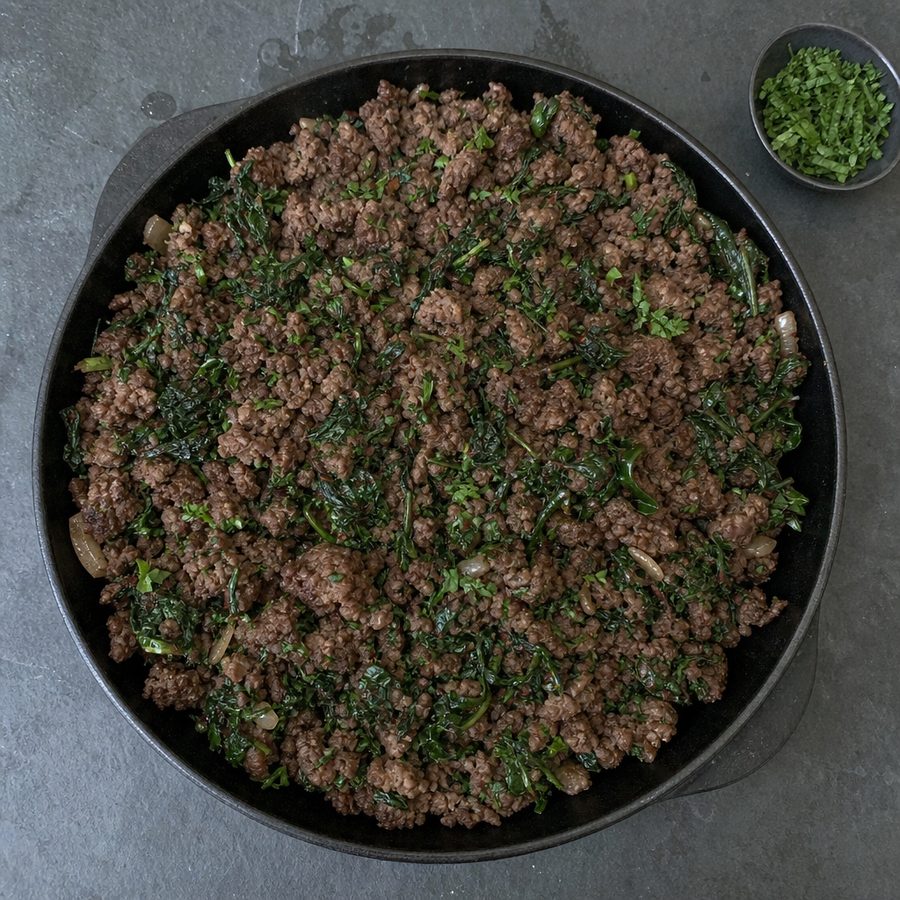 Beef and Dandelion Green Breakfast SkilletBreakfast · 30 min
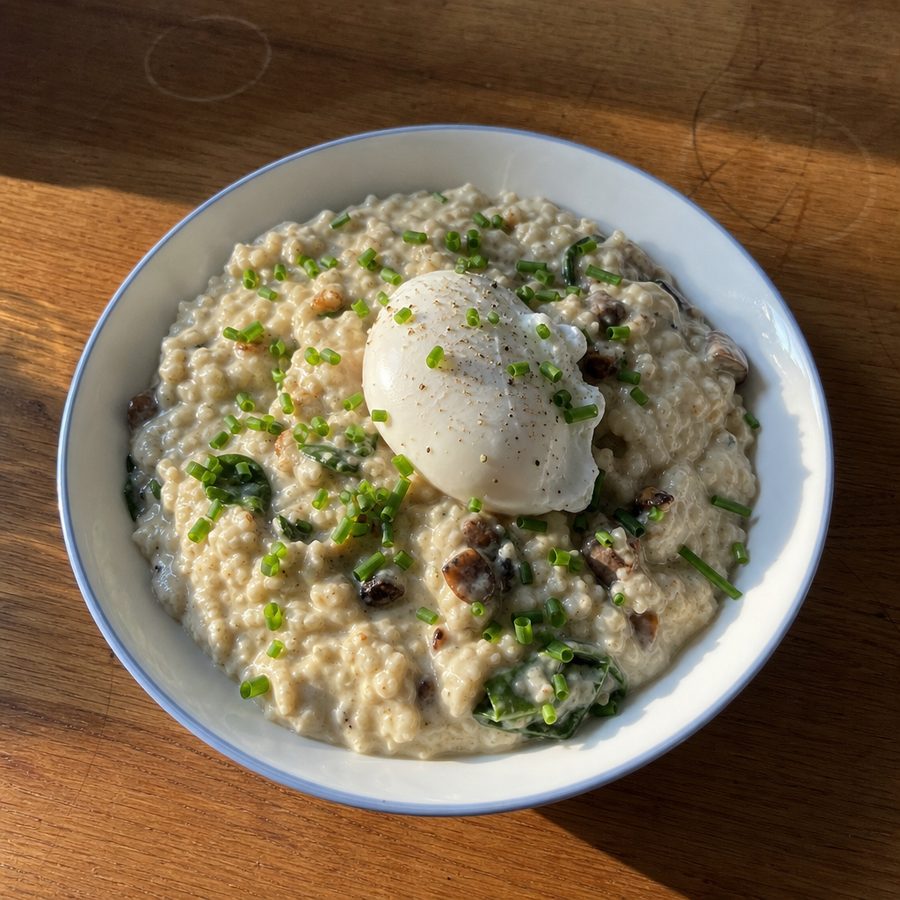 Savory Oats with Poached EggBreakfast · 28 min
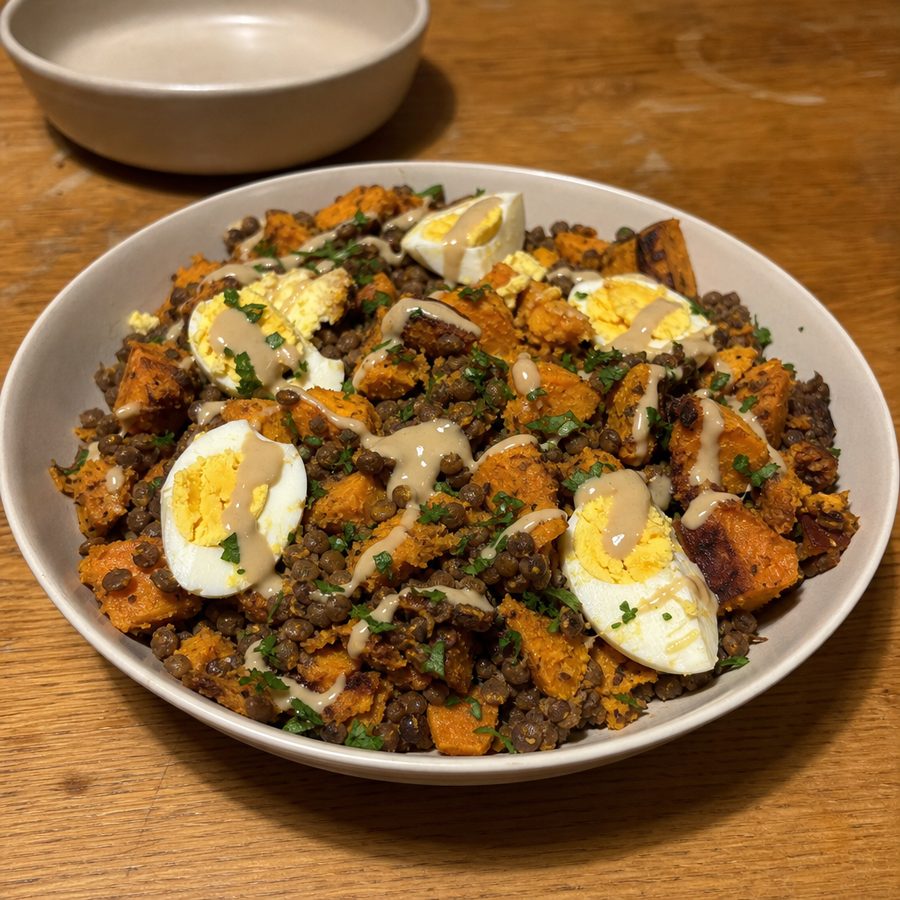 Egg and Lentil Power BowlLunch · 35 min
 Cooked Salmon Nicoise BowlLunch · 38 min
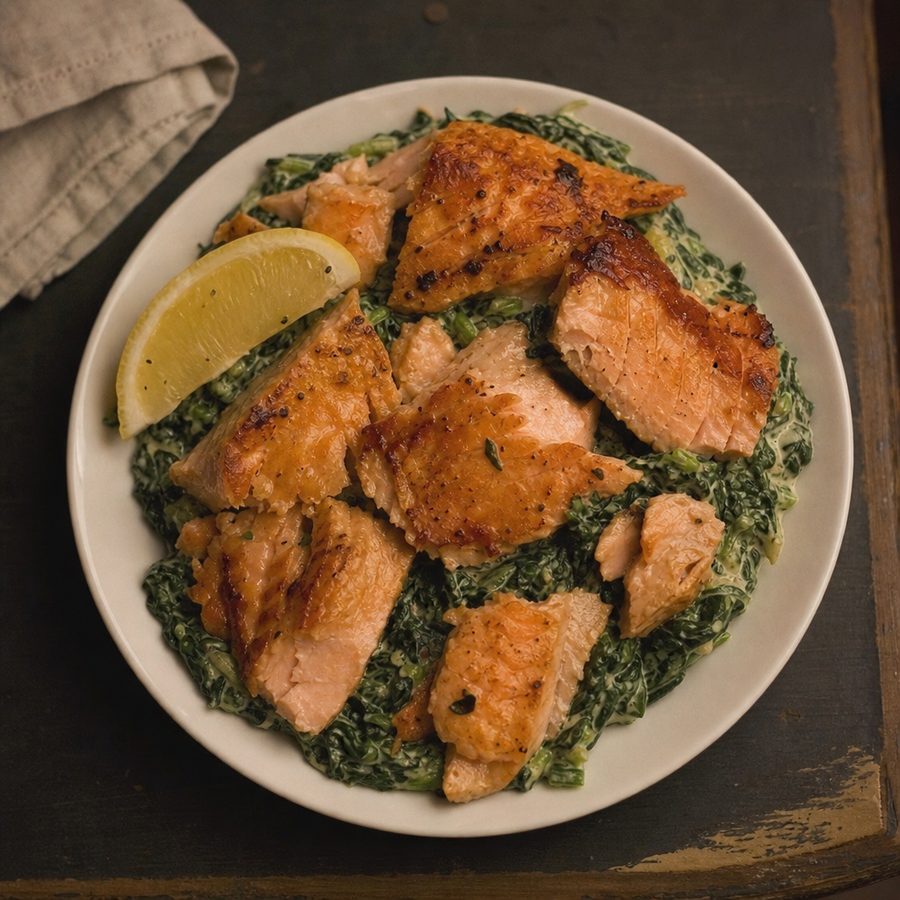 Seared Salmon With Creamed SpinachDinner · 30 min
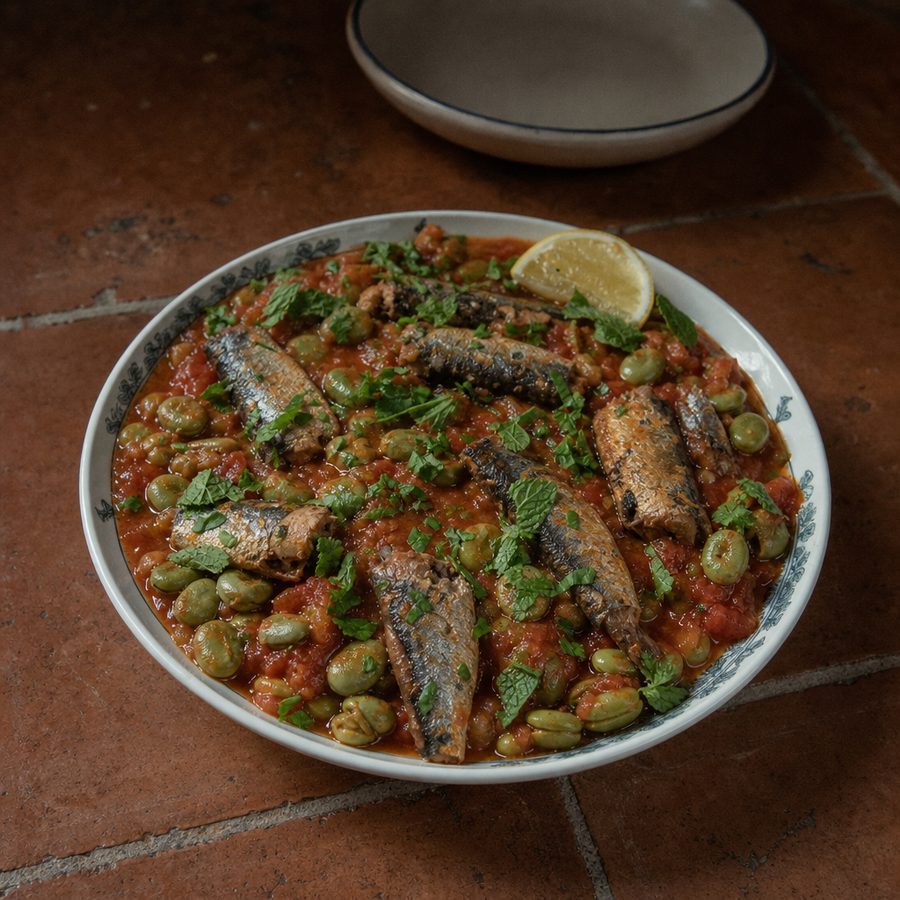 Sardinian Sardines with Fava Beans, Tomato, and MintDinner · 25 min
 Turkey Keema with Green Peas, Cauliflower, and Toasted CuminDinner · 50 min
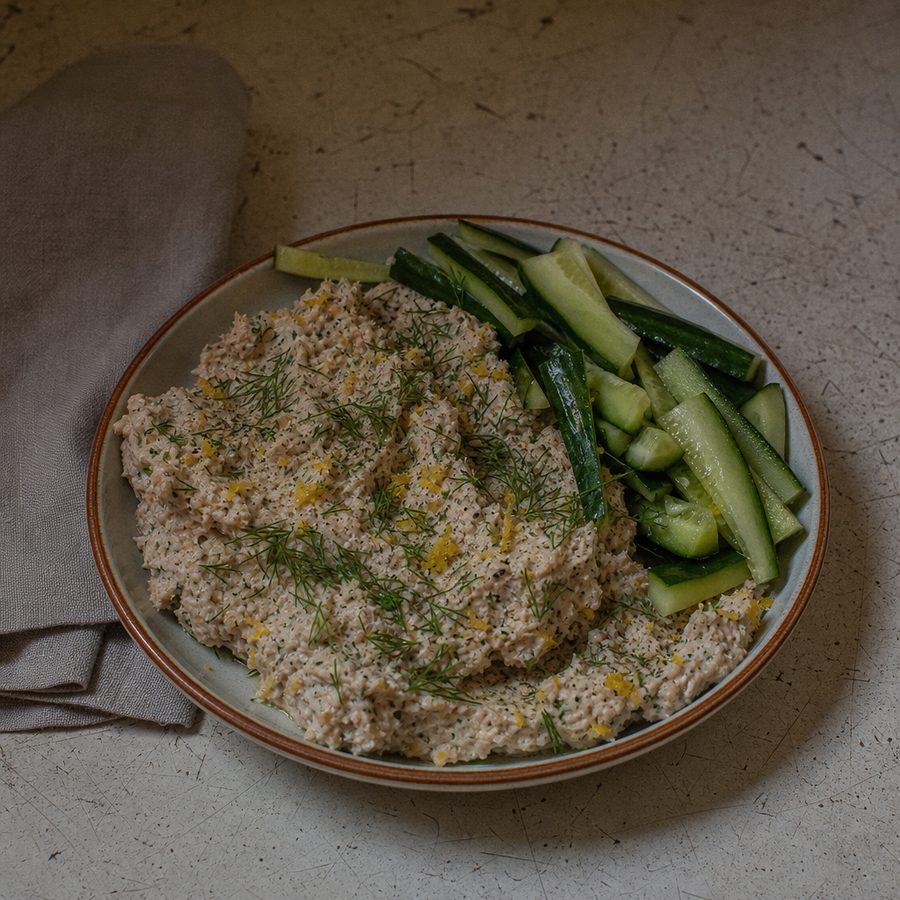 Smoked Mackerel and White Bean PateSnack · 10 min
Answer a few quick questions and we'll build four weeks of bariatric surgery meals, with recipes customized to you and a smart grocery list.
Start your bariatric surgery plan →Answer the same questions and take the personalized guide on its own for $19. It's written to your answers, it waits in your portal, and it's yours to keep. Start a plan later and the $19 comes off your first four weeks.
Not sure yet? Compare all the diets we support →
