
Turmeric Roasted Cauliflower Bites
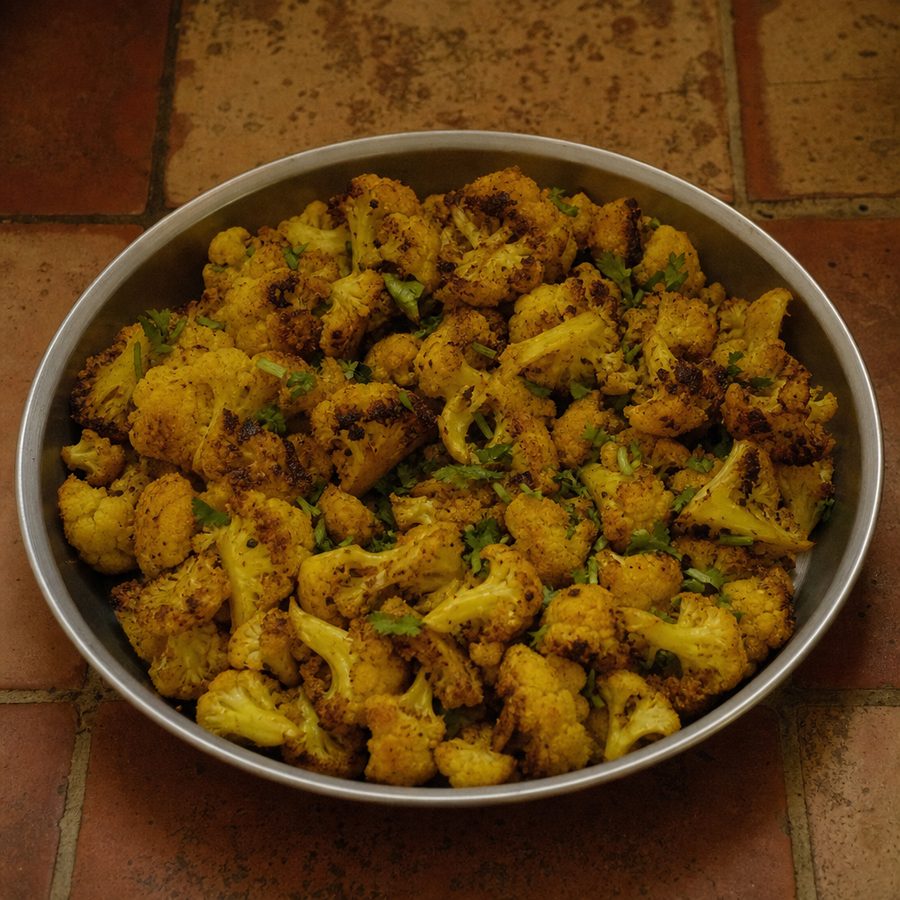
Cauliflower florets tossed with avocado oil, ground turmeric, and minced garlic, then roasted until deeply golden, crisp at the edges, and warmly savory.
Why You'll Love This Recipe
Cauliflower roasted hard enough to brown at the edges stops tasting like cauliflower and starts tasting sweet and faintly nutty, which is the entire reason this works as a snack instead of a side. The turmeric turns the tray the color of a marigold and smells warm rather than sharp once it has had heat under it. Roast a sheet pan while the oven is on for something else and they keep three days in a jar, which covers the four o'clock gap without another decision to make.
High heat and a dry pan do all of it. A hot oven and a single, spaced-out layer let the surface moisture of the cauliflower evaporate quickly, so the florets brown and crisp instead of steaming into softness. Cutting the florets small and flipping them once gives more cut surfaces contact with the hot pan, which is where the deep golden color and the toasty, almost nutty flavor develop. The turmeric bakes into that browned surface, and the garlic mellows and sweetens as it roasts.
A crisp, caramelized edge gives way to a tender interior, and earthy turmeric and roasted garlic carry both. Cauliflower brings fiber and a good amount of vitamin C, while the avocado oil adds richness that helps the fat-soluble color and flavor of the turmeric come through. It is the kind of snack that feels indulgent to eat with your fingers but leaves you feeling light rather than heavy.
Ingredients
- 1 small head cauliflower (about 500 g), in florets
- 2 tbsp avocado oil
- 1 1/2 tsp ground turmeric
- 3 cloves garlic, minced
- 1/2 tsp sea salt
Instructions
- Preheat the oven: Preheat the oven to 425°F (220°C) and position a rack in the center. Set out a large sheet pan; leaving it bare rather than lined gives slightly crisper edges.
- Cut the cauliflower: Pull off the outer leaves and trim the stem. Cut the head into small, even bite-sized florets, roughly the size of a walnut, so they cook at the same rate. Halve any large florets through the stem so they lie flat.
- Mince the garlic: Peel the garlic cloves and mince them finely so they distribute evenly and do not sit in large pieces that can scorch.
- Season the florets: Put the florets in a large bowl. Add the avocado oil, ground turmeric, minced garlic, and sea salt. Toss thoroughly with your hands or a spatula until every floret is evenly coated and tinted gold, with no dry patches of turmeric.
- Roast: Spread the florets in a single layer on the sheet pan, cut sides down and not touching, so they roast rather than steam. Roast for 25 to 28 minutes, flipping once halfway through, until they are deeply golden with browned, crisp edges and are tender when pierced with a fork.
- Serve: Transfer to a serving dish and serve warm, while the edges are still crisp.
Variations
- Ginger and turmeric: Add a spoonful of freshly grated ginger to the oil and spice toss for a brighter, warming bite alongside the turmeric.
- Lemon and herb: Finish the roasted florets with a squeeze of fresh lemon and chopped fresh parsley or cilantro to lift the earthy flavor.
- Garlic-forward: Increase the minced garlic and add a scatter of thinly sliced garlic partway through roasting for a deeper roasted-garlic character.
- Coconut crisp: Toss in flaked coconut for the last several minutes of roasting so it toasts into golden, crunchy flecks; this adds coconut.
- Savory and green: Roast the cauliflower alongside broccoli florets tossed in the same oil and spices for a mixed vegetable tray.
Storage & Leftovers
Let the bites cool completely, then store them in an airtight container in the refrigerator for up to four days. They will soften as they sit, since the crisp edges reabsorb moisture in the closed container.
To bring back the crunch, reheat them in a hot oven or an air fryer at around 400°F (200°C) for a few minutes until the edges re-crisp and they are heated through. Avoid the microwave, which warms them but leaves them limp and steamy.
To get ahead, cut the florets and toss them with the avocado oil, turmeric, garlic, and salt up to a day in advance, then keep them covered in the refrigerator and roast fresh when you want them. Roasting just before serving gives the best texture.
Notes & Tips
- Pick a firm, tight head: Choose a cauliflower with a dense, creamy-white head and no soft brown spots; a firm head holds its shape and crisps better than one that is starting to go spongy.
- Dry the florets well: If you rinse the cauliflower, pat the florets thoroughly dry before tossing them with oil, because surface water turns to steam and keeps them from browning.
- Do not crowd the pan: Give the florets space in a single layer; if they touch, they trap steam and soften. Use two pans rather than piling them on one.
- Add garlic evenly: Because minced garlic can catch and turn bitter, make sure it is coated in oil and clinging to the florets rather than loose on the hot pan.
- Judge doneness by color: They are ready when the edges are browned and crisp, not just softened. Pale florets will taste flat, so let them go until deeply golden.
- Serve with a dip: These are good on their own but excellent alongside a spoonable dip such as mashed avocado or a coconut-yogurt style sauce to cut the earthy turmeric.
Nutrition & Mindful Eating
- Cauliflower, oil and turmeric need each other here. The oil carries the turmeric into every crevice of the floret and lets the high heat do its browning, and the garlic sweetens as it roasts rather than turning sharp.
- Cauliflower roasted rather than steamed gives up its water and concentrates, so the edges caramelize while the inside stays tender. The fiber that gives it that body is also what makes a snack of vegetables sit well and carry you a while.
- Turmeric stains everything it touches and tastes earthy and faintly bitter, which is exactly what a plain vegetable wants pushing back at it. Its curcumin is taken up more readily when it is eaten with fat, which the roasting oil supplies.
- Garlic roasted alongside the florets turns mellow and almost sweet, losing the bite it has raw. It clings to the oil and the browned edges, and the sulfur compounds in it are a good part of why the pan smells the way it does.
- The best pieces are the ones that sat against the pan the longest, dark at the tips and a little chewy in the middle. Pull the tray when the color looks deeper than feels comfortable and you will end up with more of them.
- As you eat, go for the darkest florets first and notice the earthy warmth turmeric leaves behind, and let a snack be something you stand still for rather than something you pick at while you cook.
Frequently Asked Questions
Why did my cauliflower turn out soggy instead of crisp?
The most common causes are crowding the pan and wet florets. Spread them in a single layer with space between each piece, pat them dry before tossing with oil, and make sure the oven is fully up to temperature so they roast rather than steam.
Will the turmeric stain my hands or cutting board?
It can, since turmeric is a strong natural dye. Toss the florets with a spatula if you want to keep your hands clean, and wipe any stained surfaces promptly. Stains on light plastic usually fade with sun exposure.
Can I use frozen cauliflower?
Fresh gives the best crisp texture. Frozen cauliflower releases a lot of water as it thaws, so it tends to steam and stay soft. If it is all you have, thaw it fully, pat it very dry, and expect a more tender result.
Are these good served cold or at room temperature?
They are at their best warm from the oven when the edges are crisp. They still taste good at room temperature but soften as they sit, so for the best texture reheat them briefly in a hot oven or air fryer before serving.