
Beef and Cheddar Meatloaf Muffins
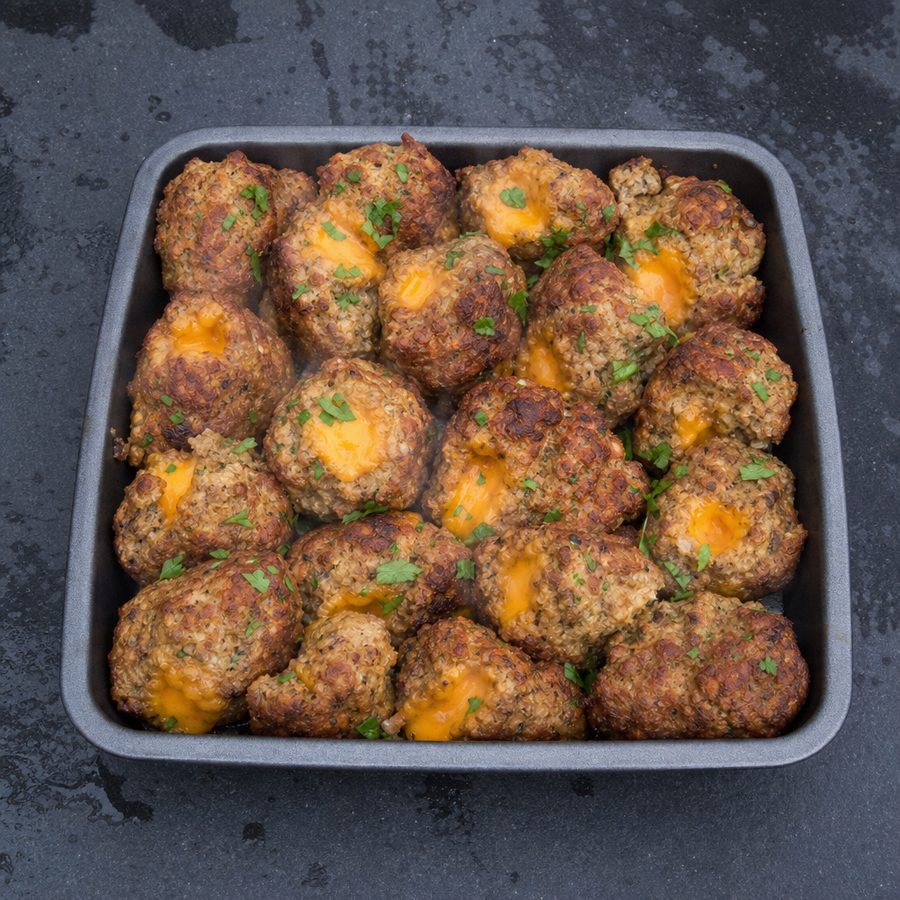
Individual beef meatloaves bound with egg and parmesan, baked in a muffin tin with a molten pocket of cheddar tucked in the center of each.
Why You'll Love This Recipe
These are single-serving beef meatloaves baked in a muffin tin, each one hiding a soft center of melted cheddar. They are built for anyone who wants a hearty, entirely meat-and-cheese lunch that travels well and reheats without falling apart. Because they cook in individual portions, they are easy to grab, easy to pack, and easy to right-size to a household without slicing a full loaf. They also cook in about half the time a whole loaf would take, since a small portion in a metal cup heats from every side at once.
The muffin tin is the whole idea. Portioning the meat into small cups gives every meatloaf a high ratio of browned, flavorful surface to soft interior, and it cooks far faster than a single large loaf. Egg and parmesan act as the binder that holds the loose ground beef together and keeps each muffin tender rather than crumbly, while the cheddar buried in the middle stays molten and gives you a warm, savory pull when you break one open.
A lot of rich, well-browned beef, the salty depth of parmesan worked all the way through, and a pocket of gooey cheddar as a reward in the center. They are dense with protein and stay filling for hours, and there is nothing to prep alongside them. The meat, the eggs, and the two cheeses do all the work, which is why this is a good one to keep in mind for a week where nothing else got planned.
Ingredients
- 1 1/2 lb ground beef
- 2 large eggs
- 1/2 cup grated parmesan
- 1/2 cup shredded cheddar
- 3/4 tsp salt
Instructions
- Preheat and grease the tin: Preheat the oven to 400°F (200°C). Grease each cup of a standard muffin tin generously so the meatloaves release cleanly and the cheese does not weld them to the metal.
- Mix the meat base: In a large bowl, combine the ground beef, eggs, grated parmesan, and salt. Mix gently with your hands just until the eggs and parmesan are evenly distributed. Stop as soon as it comes together; overworking the meat makes the baked texture dense and rubbery.
- Fill and add the cheddar core: Divide the meat mixture among the greased muffin cups. Press a portion halfway into each cup, place a small mound of shredded cheddar in the center, then top with more meat and press to seal the cheese fully inside. Make sure no cheddar is peeking out the top or sides, or it will leak and burn during baking.
- Bake: Bake at 400°F (200°C) for 20 to 22 minutes, until the meatloaves are browned on top, firm to the touch, and register 160°F (71°C) on an instant-read thermometer inserted into the meat (not the cheese pocket). The juices should run clear.
- Rest and remove: Let the meatloaves rest in the tin for 5 minutes. This lets them firm up so they hold their shape. Run a thin knife or small spatula around each one and lift them out.
Variations
- Ground pork blend: Replace part of the ground beef with ground pork for a richer, slightly softer texture and milder flavor. This adds pork.
- Ground lamb: Swap the beef for ground lamb for a deeper, more mineral-rich flavor. Keep the parmesan and cheddar as they are.
- Bacon-wrapped: Line each muffin cup with a strip of bacon before pressing in the meat, so each loaf bakes inside a crisp wrap. This adds pork.
- Parmesan crust top: Sprinkle a little extra grated parmesan over the tops before baking so it browns into a crisp, salty cap. This adds more dairy.
- Different cheese core: Trade the cheddar center for another good melting hard cheese such as gruyère or gouda for a nuttier, stringier pull. This keeps it dairy but changes the flavor.
Storage & Leftovers
Refrigerator: Once fully cooled, store the meatloaves in an airtight container in the refrigerator for up to four days. Keeping them in a single layer, or with parchment between layers, keeps the cheese cores from sticking together.
Reheat: Warm them in a 350°F (175°C) oven or toaster oven for about 8 to 10 minutes until heated through and the cheddar softens again. This keeps the tops firm. A microwave works in a pinch but leaves the exterior softer and can make the cheese rubbery, so use short bursts and stop as soon as they are hot.
Make ahead: You can mix the beef, eggs, parmesan, and salt and press the filled cups (cheddar and all) a day in advance, then cover the tin and refrigerate it raw. Bake straight from cold, adding a couple of extra minutes. They also freeze well fully baked; cool completely, freeze on a tray, then bag them and thaw overnight before reheating.
Notes & Tips
- Pick the right beef fat level: An 80/20 or 85/15 ground beef gives you juicy, tender muffins. A drier grind bakes up dense and crumbly because there is little fat to keep it moist during the fast, hot bake.
- Seal the cheese completely: The single most common failure is cheddar leaking out and scorching. Bury the cheese fully in the center and pinch the meat closed over it so no shred touches the surface or the pan.
- Grate your own cheddar for the core: Block cheddar you shred yourself melts into a smoother, stretchier center than pre-shredded bags, which are coated to prevent clumping and can stay a little grainy when melted.
- Use a thermometer, not the clock: Muffin tins and beef fat levels vary. Pull them at 160°F (71°C) in the meat for a safe, juicy result rather than relying only on the 20 to 22 minute window.
- Adjust salt to the cheese: Both parmesan and cheddar are already salty. Taste is set mostly by them, so if you use an especially sharp or aged parmesan, go a little lighter on the added salt.
- Double the batch: These reheat and freeze so well that it is worth filling a second tin. Baked and frozen, they make a fast, protein-heavy lunch with almost no effort on a busy day.
Nutrition & Mindful Eating
- Beef, egg and two cheeses make up the whole thing. The beef is the body, the egg binds it so the muffins hold their shape, and the parmesan and cheddar season it from the inside, which is where the protein and the richness both come from.
- Ground beef in a muffin tin browns on far more sides than a loaf ever does, and that crust is most of the flavor. The meat also brings heme iron, zinc and B12, the things red meat is genuinely good for.
- Parmesan grated into the mix is the savory undertone you taste without being able to name. It is aged long enough to concentrate both its flavor and its calcium, and it seasons the beef as thoroughly as salt does.
- The cheddar in the center is the payoff. It softens completely in the oven and stays molten when you break one open, adding calcium and enough fat to keep the beef tasting rich.
- One or two of these eat like a full plate, with the protein doing that work, and the combination of browned edge, soft center and melting cheese is why they hold up cold the next day as well as hot.
- As you eat, break one open and let the steam and the cheddar come up before the first bite, and take the meal sitting down long enough to notice when you have had your fill.
Frequently Asked Questions
Why bake these in a muffin tin instead of one loaf pan?
The individual cups cook much faster and give every portion a browned, flavorful exterior with a soft center. They are also pre-portioned, so they pack, store, and reheat far more easily than slices cut from a big loaf.
How do I keep the cheddar from leaking out?
Bury the cheese completely in the middle and press the meat closed over it so nothing pokes through the top or sides. Any cheese exposed to the pan will melt out and scorch during baking.
How do I know when they are done?
They should be browned and firm on top with clear juices, and an instant-read thermometer in the meat (not the cheese pocket) should read 160°F (71°C). That is the reliable signal, since bake time shifts with the fat level of your beef.
Can I make these ahead and freeze them?
Yes. Bake and cool them completely, freeze them on a tray so they hold their shape, then transfer to a bag. Thaw overnight in the refrigerator and reheat in a 350°F (175°C) oven until hot and the cheese softens again.