
Chicken Breakfast Sausage Patties
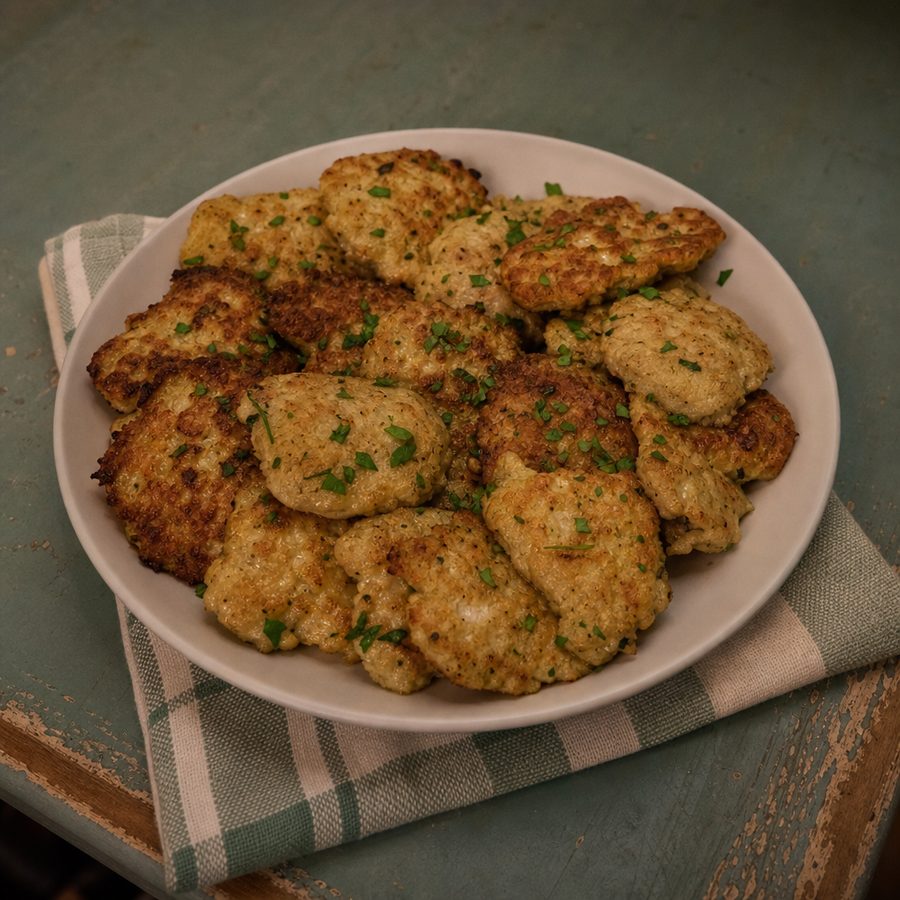
Ground chicken bound with egg and a little salt, shaped into patties and pan-seared in butter until golden outside and juicy within.
Why You'll Love This Recipe
These are simple pan-seared breakfast patties built from just ground chicken, egg, butter, and salt, and they are for anyone who wants a hot, high-protein start to the day without a long ingredient list or anything sweet. They come together in one bowl and one skillet, which makes them a realistic weekday breakfast, and they are mild and savory enough to please people who find pork sausage too rich or too heavily seasoned.
Restraint, mostly. Ground chicken is soft and loosely textured, so the egg acts as a binder that holds the patties together and keeps them from crumbling, while the butter in the pan does double duty: it browns the surface for flavor and adds the richness the meat lacks on its own. Cooking over steady medium heat and leaving the patties untouched until the first side is deep golden builds that browned, savory crust; flipping only once keeps them from drying out.
Filling is the whole point of these. Chicken and egg together deliver complete, high-quality protein that keeps hunger quiet through the morning, and the butter carries flavor and staying power so you are not reaching for something an hour later. With a clean, meaty taste and a tender bite, they are about as straightforward as breakfast gets, and they cost a fraction of what packaged breakfast sausage does for four ingredients you can name.
Ingredients
- 1 1/2 lb ground chicken
- 2 large eggs
- 4 tbsp butter
- 1 tsp salt
Instructions
- Mix it just until it holds together: In a large bowl, combine the ground chicken, eggs, and salt, and mix with clean hands or a fork for about 30 seconds, just until the egg is evenly worked through and the mixture feels tacky and cohesive. Stop the moment it holds together, since ground chicken worked any further turns springy and dense, which is the difference between a tender patty and a rubbery one.
- Shape them evenly and dimple the middles: With damp hands so the meat does not stick, divide the mixture and form patties about three-quarters of an inch thick, all of them the same size. Press a shallow dimple into the center of each with your thumb, because a patty puffs from the middle as it cooks and the dimple is what keeps them flat rather than domed, which matters when they need to sit in a pan evenly.
- Heat the butter until it foams and settles: Set a wide skillet over medium heat and add the butter, letting it melt and foam and then settle before the patties go in, about 2 minutes. That settling is the water in the butter boiling off, and it is the sign the pan is hot enough to brown rather than to steam.
- Sear 5 minutes a side, to 165°F: Lay the patties in without crowding them and cook undisturbed for about 5 minutes, until the underside is deep golden brown. Turn once and cook about 5 minutes more, until browned and the center reads 165°F (74°C) on an instant-read thermometer. They should feel firm and spring back when pressed. Turning them repeatedly interrupts the crust that is forming and is why home-made patties often come out gray.
- Serve them with the pan butter over the top: Move the patties to a plate and serve warm, spooning any browned butter from the pan over them. There are four ingredients in this recipe and one of them is that butter, so leaving it in the skillet throws away a quarter of the dish.
Variations
- Turkey patties: Swap ground turkey for the ground chicken for a slightly deeper, meatier flavor; the method and timing stay the same.
- Richer with pork: Replace part of the ground chicken with ground pork for a juicier, more classic sausage richness. This adds pork.
- Cheese-studded: Fold finely grated hard cheese into the mixture before shaping for savory, salty pockets throughout. This adds dairy.
- Bacon-flecked: Cook bacon until crisp, chop it finely, and work it into the mixture for smoky bite and extra crunch. This adds pork.
- Cooked in tallow: Sear the patties in rendered beef tallow instead of butter for a beefy background note and a crisper crust.
Storage & Leftovers
Let the cooked patties cool, then store them in an airtight container in the refrigerator for up to four days. Keep them in a single layer or separated so they do not stick together and tear when you pull them apart.
To reheat, warm them in a skillet over medium-low heat with a small pat of butter, turning once, until heated through; this refreshes the browned surface far better than a microwave, which can leave them rubbery. If you do use a microwave, cover them and heat in short bursts so they warm gently.
For make-ahead, you can mix and shape the raw patties a day in advance and keep them covered in the refrigerator, ready to sear in the morning. The cooked patties also freeze well: freeze them in a single layer until solid, then transfer to a freezer bag for up to three months and reheat straight from frozen in a covered skillet.
Notes & Tips
- Buy the right grind: Look for ground chicken labeled as thigh meat or a thigh blend rather than all breast; the little extra fat keeps these patties from turning dry.
- Keep the meat cold: Mix and shape the patties while the chicken is still cold from the refrigerator. Cold meat holds together better and is far less sticky to work with than meat that has warmed on the counter.
- Don't overmix: Blend only until the egg disappears into the meat. Working the mixture too long makes the cooked patties dense and springy instead of tender.
- Test-fry one first: Cook a single small patty before shaping the rest and taste it, then adjust the salt in the raw mixture to your liking. Raw meat is hard to taste, so this is the reliable way to check seasoning.
- Use a thermometer: Because the patties are pale to begin with, color alone is a poor doneness cue. An instant-read thermometer reaching 165°F (74°C) at the center is the surest sign they are cooked through.
- Double the batch: The mixture scales easily and the cooked patties keep and freeze well, so making extra for the week costs you no more effort at the stove.
- Pork instead of chicken: Use a pound and a half of ground pork in place of the chicken, keeping the eggs and salt the same, and shape the patties a little thinner at about half an inch. Sear five to six minutes on the first side in the butter, flip once, and rest them a couple of minutes before serving. The numbers above are for the chicken version.
Nutrition & Mindful Eating
- Chicken, egg and butter is the entire patty. The chicken brings the protein and the mild savory flavor, the egg binds it and keeps the middle tender, and the butter builds the crust that makes a plain patty worth eating.
- Ground chicken is mild, which means the browning is what gives these their flavor. Get the pan properly hot and leave the patties alone until they release, and the meat brings protein dense enough to anchor a morning.
- The egg is not only glue. It holds moisture in the patty as it cooks so the middle stays tender, and it adds its own protein and the choline that lives in the yolk.
- Butter in the pan foams, browns and smells nutty, and that is the smell that fills the kitchen. Salt mixed through the meat rather than sprinkled on afterward means every bite is seasoned to the middle.
- Two patties hold you longer than their size suggests, with the protein doing most of that work and the butter slowing everything down alongside it.
- As you eat, take these hot from the pan while the crust is still crisp, and let the nutty smell of the browned butter land before the first bite tells you how hungry you actually are.
Frequently Asked Questions
My patties came out dry and crumbly. What went wrong?
Usually it is one of two things: the ground chicken was all breast with no thigh meat, or the mixture was overworked. Choose a grind that includes thigh, mix only until the egg is combined, and pull the patties off the heat as soon as they reach 165°F (74°C) so they do not overcook.
Can I make these without the butter?
Butter adds richness and helps the surface brown, but you can sear the patties in another animal fat such as rendered bacon fat or beef tallow. Keep some fat in the pan, since the chicken will stick and dry out on a bare surface.
The mixture is too sticky to shape. How do I fix it?
Wet your hands with cold water before forming each patty, and keep the meat cold from the refrigerator while you work. Cold, damp handling keeps the mixture from clinging to your fingers.
Can I cook these in the oven instead of the skillet?
Yes. Arrange the shaped patties on a lined baking sheet and bake at 400°F (200°C), turning once, until the center reaches 165°F (74°C). You will lose some of the buttery browned crust the skillet gives, but the patties will cook through evenly and hands-free.