
Sardine and White Bean Spread With Lemon
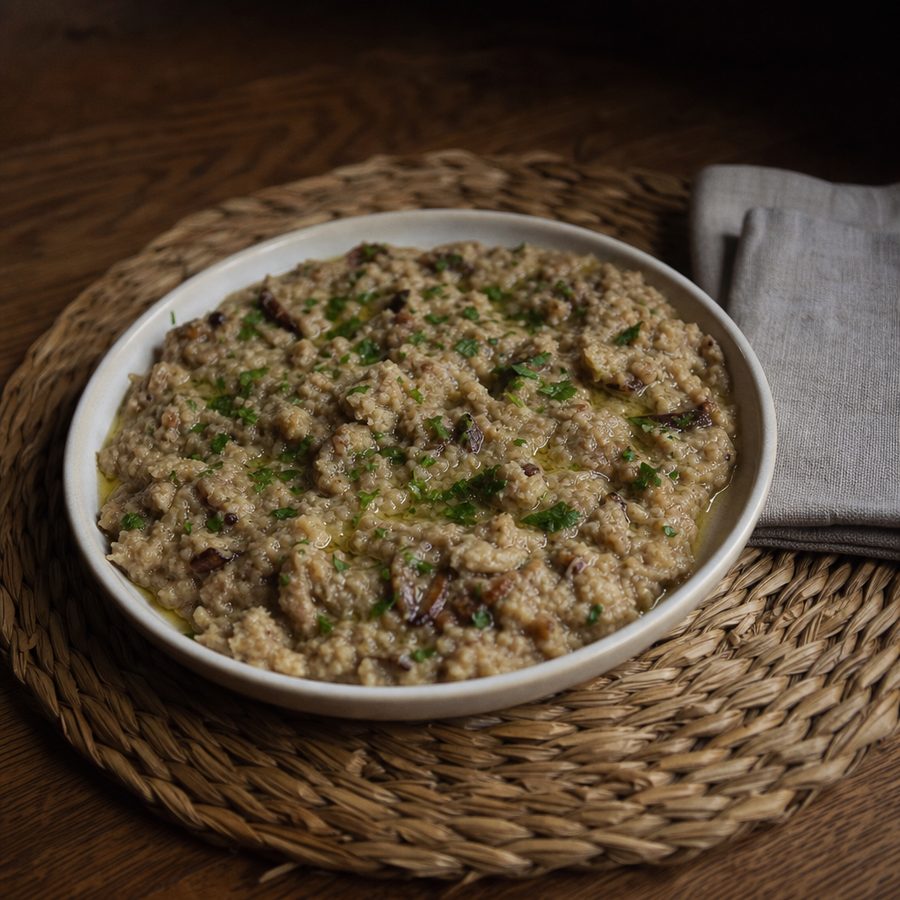
A creamy, savory spread of mashed sardines and cannellini beans brightened with lemon juice, fresh garlic, olive oil, and chopped parsley.
Why You'll Love This Recipe
If sardines are something you have been meaning to eat more of and have not gotten around to, start here rather than with a fillet on toast. The beans meet them halfway: cannellini brings body and a mild, creamy backbone that turns the fish into a deep salty hum instead of the loudest thing in the bowl. Nothing is cooked, the food processor does the work, and what you make on Monday is still good on Wednesday. It suits anyone who likes bold, briny, garlicky flavors and wants something to dip vegetables into or spread on cucumber rounds that genuinely holds them over.
Oily fish and starchy beans, and each one needs the other. The sardines bring a rich, savory depth and a soft flesh that breaks down easily, while the cannellini beans give body and a mild, creamy backbone that mellows the fish. Lemon juice and raw garlic cut through the richness and keep everything tasting fresh, and folding the parsley in at the end by hand, rather than blending it, keeps green flecks and a clean herbal note instead of tinting the whole spread. Pulsing rather than pureeing is deliberate, since a little texture makes it read as food rather than paste.
It satisfies because it combines protein and fiber in every scoop, the kind of pairing that feels filling and steadies you between meals. The sardines and beans together give it staying power, the olive oil makes it feel rich, and the lemon and garlic keep each bite lively so you do not tire of it. Eaten with crisp raw vegetables, it becomes a snack with real substance and crunch rather than empty filler.
Ingredients
- 3 cans sardines, drained
- 1 1/4 cups cannellini beans
- 4 tsp lemon juice
- 2 cloves garlic
- 1 tbsp olive oil
- 2 tbsp chopped parsley
- 1/4 tsp salt
- 1/4 tsp black pepper
Instructions
- Prep the aromatics: Peel the garlic cloves and drop them whole into a food processor. Rinse the parsley, pat it dry, and roughly chop the leaves and tender stems. Keep it out of the processor for now, since blended parsley tints the whole bowl a dull green where chopped parsley folded in at the end stays visible.
- Drain and add the canned goods: Open the cans of sardines and tip them into a strainer to drain off the packing oil or water. Drain and rinse the cannellini beans under cool running water until the foam is gone, then shake off the excess, because the canning liquid is salty and cloudy and the sardines are bringing plenty of salt of their own. Add the sardines and beans to the food processor.
- Add the liquids: Pour the lemon juice and olive oil into the processor with the sardines, beans, and garlic, since the fat and the acid together are what carry the salt through a spread this thick.
- Blend: Process in short pulses, scraping down the sides once or twice, until the mixture comes together into a thick spread that is mostly smooth but still has a little texture. Stop before it becomes a completely uniform paste, because the texture is the difference between a spread and a puree, and a puree tastes of less than the sum of what went into it.
- Fold in the parsley and season: Scrape the spread into a bowl and stir in the chopped parsley by hand so it stays flecked through the spread. Add the salt and a few grinds of pepper, going lightly because the sardines are cured and already carry their own, then taste and add a little more lemon juice if it needs brightening.
- Serve: Spread onto raw vegetables or scoop with cucumber slices. Serve right away, or chill briefly to let the flavors settle.
Variations
- Smoky and warm: Blend in a pinch of smoked paprika and a little ground cumin for a deeper, toastier flavor.
- Extra bright and fresh: Add lemon zest along with the juice and a handful of fresh dill or mint with the parsley for a livelier, more herbal spread.
- Spiced up: Pulse in a pinch of red pepper flakes or a spoonful of harissa for gentle heat that plays against the richness of the fish.
- Creamier and tangy: Fold in a spoonful of plain Greek yogurt at the end for a silkier, more tangy texture; this adds dairy.
- Anchovy-forward: Mash in a chopped anchovy fillet or two for an even saltier, more intense savory depth; this adds more fish and sodium.
Storage & Leftovers
Store the spread in an airtight container in the refrigerator, where it keeps well for up to three days. Give it a stir before serving, as a little liquid may separate to the top.
This spread is meant to be eaten cold or at room temperature, so there is no reheating involved. If it has been in the refrigerator, let it sit on the counter for a few minutes to take off the chill, which softens it and brings the garlic and lemon flavors forward.
To make ahead, blend the spread and press a piece of plastic wrap directly against the surface before sealing to keep it from drying out. The flavor deepens after a few hours as the garlic mellows into the beans, so making it earlier in the day is an advantage rather than a compromise.
Notes & Tips
- Pick your sardines: Sardines packed in olive oil give a richer, softer spread, while those packed in water taste cleaner and lighter; either works, just drain them well so the spread does not turn loose.
- Do not skip the rinse: Rinsing the canned beans washes away the starchy, slightly bitter canning liquid and lowers the sodium, which lets the lemon and garlic come through more clearly.
- Season last, and taste: Sardines and canned beans already carry salt, so wait until the spread is blended before adding any, then adjust; a final squeeze of lemon often does more than salt to wake it up.
- Control the garlic: Raw garlic gets sharper as the spread sits, so use a little less if you plan to make it ahead, or grate it fine if you want it fully blended in.
- Best vehicles for scooping: Sturdy raw vegetables like cucumber rounds, endive leaves, bell pepper strips, and celery hold up to the thick spread without breaking; softer crackers can go soggy if loaded early.
- Double the batch: The spread keeps for a few days, so making extra gives you a ready snack; if you double it, add the lemon and garlic gradually and taste, since strong flavors scale up faster than you expect.
- Mashed by hand in celery boats: Skip the food processor and the black pepper and mash the drained beans and sardines together with a fork until mostly smooth with a few whole bits left for texture. Let it rest ten minutes so the garlic mellows, then spoon it into short lengths of celery.
Nutrition & Mindful Eating
- Sardines, white beans and olive oil do the work together here. The fish brings salt and depth, the beans turn everything soft and spoonable, and the oil pulls the two into one smooth thing, so protein and fiber arrive in the same scoop.
- Sardines are the whole point of this spread, small oily fish that blend down into a savory, almost buttery base, and they carry long-chain omega-3 fats along with the calcium from their soft bones.
- White beans go into the blender whole and come out creamy, giving the spread its body and a mild, nutty backbone underneath the fish, and their soluble fiber is part of why a small bowl of this settles you.
- Lemon juice, garlic and black pepper are what keep it from reading as heavy. The acid cuts straight through the oil, the raw garlic gives it a bite at the back, and the parsley stirred in at the end tastes green and cold against all that richness.
- A little of this holds you longer than a snack its size suggests, and the protein in the sardines and the fiber in the beans are doing most of that work.
- As you eat, notice the brine of the fish against the soft beans and the way the lemon lifts each scoop, and take it slowly enough that a snack becomes a small pause rather than something handled standing up.
Frequently Asked Questions
Will this taste strongly of fish?
It has a distinct savory, briny flavor, but the creamy beans, garlic, lemon, and parsley round out the sardines so the fish reads as rich and savory rather than overpowering. Draining the sardines well and adding a bit more lemon keeps it balanced.
Can I use a fork instead of a food processor?
Yes. Mince the garlic finely first, then mash the drained sardines and beans together with a fork until it reaches a chunky, spreadable consistency, and stir in the lemon, oil, and parsley. The texture will be rustic rather than smooth, which many people prefer.
What can I serve it with besides raw vegetables?
It works spread on toasted bread or crackers, spooned onto a green salad as a protein topper, or stuffed into halved cherry tomatoes or endive leaves for a quick appetizer.
Can I swap the cannellini beans for another kind?
Yes. Great northern or navy beans behave almost identically and keep the mild, creamy base. Chickpeas also work but make a firmer, grainier spread with a nuttier taste.