
Tilapia and Parmesan Egg Cakes
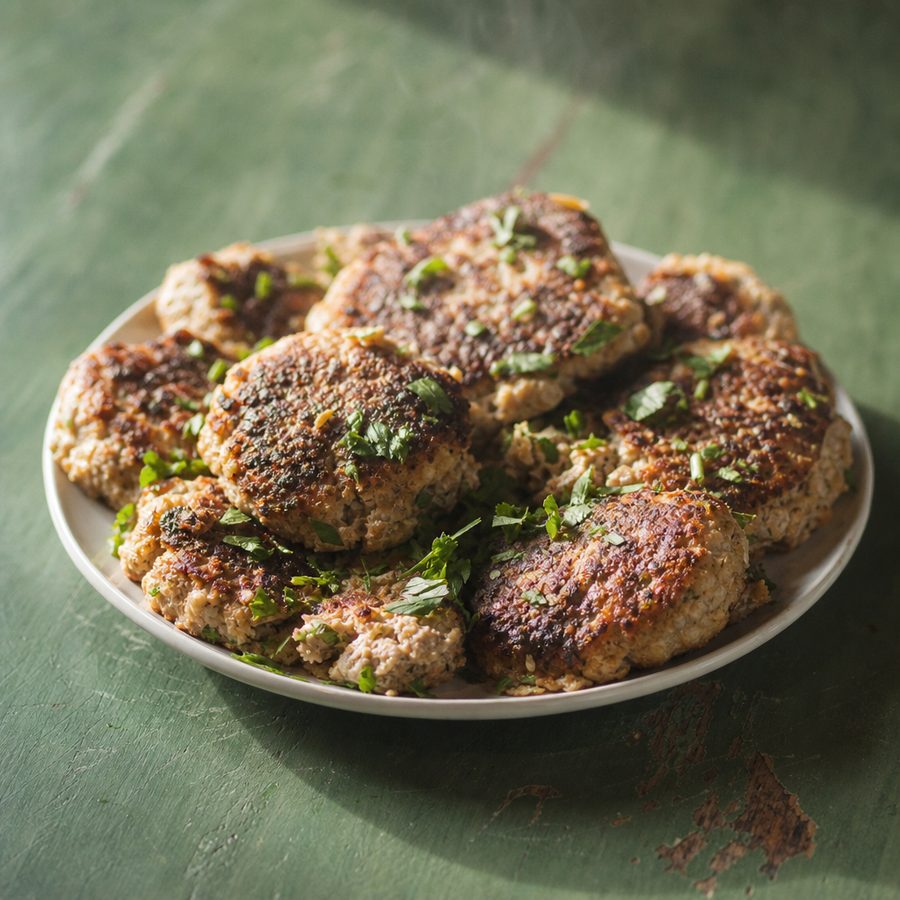
Tender flakes of tilapia bound with egg and grated parmesan, pan-seared in butter into crisp, golden little cakes seasoned simply with salt.
Why You'll Love This Recipe
Tilapia is the fish for a night when you are short on time. The fillets are thin, they cook through in minutes, and they flake apart the moment they are done, so there is no long cook standing between you and dinner. Flaked into whisked egg and sharp parmesan and browned in butter, they become savory little cakes with no breadcrumb or flour anywhere in them: what you taste is fish, egg, and cheese. They suit anyone who wants a protein-forward bite that holds up between meals rather than leaving them hungry an hour later.
There is no starch doing the binding. Whisked egg sets as it cooks and locks the flaked fish together, while finely grated parmesan melts into the mixture and adds both structure and a nutty, salty depth. The two things that decide success are drying the fish well before mixing, so the cakes are not wet inside, and leaving them undisturbed in the pan long enough to build a crust that will not tear when you flip them.
Crisp and golden on the outside, soft and tender in the middle. Tilapia brings mild, easy-to-digest protein, the eggs add richness, and the parmesan carries most of the flavor so nothing else is needed. Grate the parmesan yourself if you have the block, since the pre-grated kind is dusted with starch and that starch keeps it from melting into the cakes the way it should.
Ingredients
- 14 oz cooked tilapia, flaked
- 2 large eggs
- 1/2 cup grated parmesan
- 1 tbsp butter
- 1/4 tsp salt
Instructions
- Poach and flake the tilapia: Bring a wide pan of salted water to a gentle simmer. Slip in the raw tilapia fillets and poach until the flesh turns opaque white and flakes easily with a fork, about 4 to 6 minutes. Lift the fish out, drain it well, and let it cool. Flake it into small, even pieces, checking for and discarding any stray bones. Press gently with a paper towel to remove excess moisture so the cakes hold together.
- Mix the base: In a bowl, combine the flaked tilapia with the eggs, grated parmesan, and salt. Fold everything together until the mixture is evenly moistened and holds its shape when you squeeze a handful.
- Shape the cakes: Divide the mixture into small portions and form each into a compact patty, pressing firmly between your palms so the cake stays tight and does not crumble during searing.
- Sear: Melt the butter in a skillet over medium heat until it foams. Add the cakes without crowding and cook undisturbed until the underside is deep golden and set, about 3 minutes. Flip carefully and cook the second side until golden and firm, about 3 minutes more.
- Rest: Transfer the cakes to a wire rack to drain and cool for about 3 minutes. They firm up as they rest, which makes them easier to lift and eat without falling apart.
Variations
- Change the cheese: Swap the parmesan for another firm, aged grating cheese such as asiago or aged cheddar for a different depth of flavor. This keeps the dish based on hard cheese.
- Use a different white fish: Cod or haddock stands in for the tilapia with the same poach-and-flake method, giving a slightly firmer, meatier cake. This changes the type of fish.
- Add crisped bacon: Fold finely crumbled cooked bacon into the mixture for a smoky, salty note and a bit of crunch. This adds pork.
- Sear in a different fat: Cook the cakes in ghee or rendered bacon fat instead of butter for a nuttier or smokier finish. Bacon fat adds pork.
- Richer binding: Add an extra egg yolk to the mix for a softer, more custardy interior and a slightly richer flavor. This adds more egg.
Storage & Leftovers
Store the cooled cakes in an airtight container in the refrigerator for up to three days. Keep them in a single layer or separated with parchment so they do not stick together and lose their crust.
To reheat, warm them in a dry or lightly buttered skillet over medium heat for a couple of minutes per side to bring back the crisp edges. A microwave works in a pinch but softens the crust and can make them rubbery, so the skillet is worth the extra minute.
To get ahead, poach and flake the tilapia and mix the base up to a day in advance, then keep it covered in the refrigerator and shape and sear just before serving. Fully cooked cakes also freeze well; freeze them in a single layer, then transfer to a bag and reheat straight from frozen in a skillet.
Notes & Tips
- Dry the fish well: The single biggest factor in cakes that hold together is well-drained fish. Wet tilapia makes a loose mix, so press the flakes with paper towels until they feel dry to the touch before combining.
- Grate your own parmesan: Freshly grated parmesan from a block melts and binds far better than the pre-grated tubs, which often contain anti-caking agents that keep it dry and gritty in the mix.
- Chill before searing: If the mixture feels soft or sticky, refrigerate the shaped cakes for a short while before cooking. Cold cakes hold their shape and brown more evenly.
- Do not crowd the skillet: Leave space between the cakes so the pan stays hot and the butter can crisp each edge. Crowding drops the temperature and steams them soft instead of searing them.
- Judge doneness by the crust: These are made from already-cooked fish and set egg, so you are cooking for color and firmness, not internal temperature. A deep golden crust and a cake that feels firm to a gentle press means it is ready to flip or serve.
- Serve them fresh and warm: They are at their best within a few minutes of cooking, while the outside is still crisp. Rest them just long enough to firm up, then eat rather than holding them long in a warm oven, which softens the crust.
Nutrition & Mindful Eating
- The fish, the egg and the parmesan hold each other together. The tilapia flakes provide the body, the egg sets and binds them, and the parmesan brings the salt and the savory edge that seasons a cake all the way through.
- Tilapia breaks into fine, moist shreds once it is cooked, which is exactly what a cake wants, and it carries protein and selenium into a snack that eats like real food rather than a stopgap.
- The egg is doing structural work here, setting as the cake cooks so the shape holds and the middle stays tender, and the yolk brings choline and the fat that keeps the inside from going dry.
- Parmesan that touches the pan turns into a lacy brown crust, and that crust is most of what you taste first, nutty and sharp and faintly sweet from the browning.
- Butter is the frying fat on purpose. It browns as it heats and gives the outside its color and a faint toasted-milk smell, and cakes this dense with protein hold you longer than their size suggests.
- As you eat, break one open and let the steam clear before the first bite, and treat even a snack as something you sit down with rather than eat over the counter.
Frequently Asked Questions
Why are my cakes falling apart in the pan?
Almost always it is moisture. If the flaked tilapia is not pressed dry, the mixture stays loose and the cakes crumble when you flip them. Dry the fish well, press each patty firmly when shaping, and let the first side form a solid golden crust before turning.
Can I use canned or leftover fish instead of poaching fresh tilapia?
Yes. Any cooked, flaked mild white fish works, including well-drained canned fish. Drain and pat it dry thoroughly, since canned fish holds a lot of liquid that will loosen the mixture.
How do I know when they are done?
Because the fish is already cooked and the egg binds quickly, you are cooking for color and firmness rather than internal temperature. A deep golden crust on both sides and a cake that feels firm to a gentle press means it is ready.
Can I bake them instead of pan-searing?
You can, but you lose the crisp, buttery crust that makes them special. If you bake, they will be softer and paler, so the skillet method is the one worth using when you want that golden exterior.