
Whipped Feta Lemon Dip
A cloud-soft, tangy spread of feta whipped with Greek yogurt, fresh lemon juice, and a swirl of olive oil until it turns silky enough to scoop or spread.
Why You'll Love This Recipe
This is a five-minute dip for anyone who wants something creamy and craveable to put out with vegetables and crackers, but with more staying power than a sour-cream or mayonnaise base. It leans on briny feta and cool yogurt, so it tastes rich while staying light, and it works equally well as an afternoon snack, a starter set out before a meal, or a spread tucked into a sandwich or wrap.
The magic is entirely in the food processor. Feta on its own is dry and crumbly, but when you run it long enough with yogurt and acid, the blades break the cheese into a fine emulsion and beat air into it, turning a firm block into something closer to whipped cream. The lemon juice cuts the saltiness and brightens the whole bowl, while the olive oil goes on at the end rather than blended in, so it stays glossy and distinct on top instead of disappearing into the mix.
Tang and richness pull against each other, with real substance sitting behind both. Feta and Greek yogurt both bring protein and calcium, so a scoop actually holds you over rather than leaving you reaching for more, and the olive oil adds heart-friendly fats that make the dip feel indulgent. Paired with crunchy raw vegetables, it turns a simple plate of crudités into something people keep circling back to.
Ingredients
- 8 oz feta, crumbled
- 1/2 cup Greek yogurt
- 1 tbsp lemon juice
- 1 tbsp olive oil
Instructions
- Prep the feta: If your feta is in a block, break it into rough crumbles with your fingers or a fork until no piece is much bigger than a marble, since the processor works far faster on crumbles than on a solid block and you will not have to run it long enough to warm the cheese.
- Combine: Add the crumbled feta, the Greek yogurt, and the lemon juice to the bowl of a food processor and secure the lid. Hold the olive oil back for the end, because oil blended in disappears into the mixture instead of sitting bright on top of it.
- Blend until smooth: Process for one to two minutes, stopping once or twice to scrape down the sides with a spatula, until the mixture is completely smooth, pale, and fluffy with no grainy bits left in it. Give it the full time, since feta takes longer than it looks to stop being crumbly.
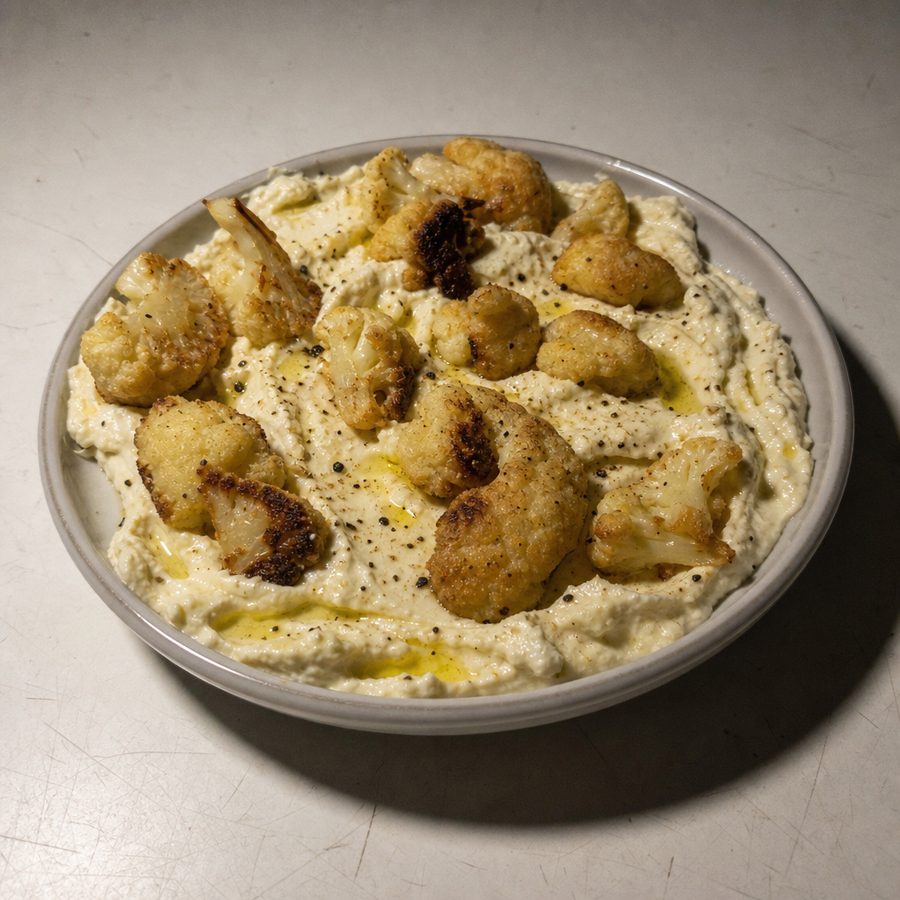
- Transfer: Spoon the whipped feta into a serving bowl and smooth the top, then use the back of the spoon to make a shallow well or a few swooshes across the surface. The dips and ridges are not only for looks, because they give the oil somewhere to collect.
- Finish and serve: Drizzle the olive oil over the top so it pools in the swirls, then serve with cut raw vegetables or whole grain crackers for scooping. If the bowl has been in the refrigerator, let it stand out for 10 minutes first, since cold mutes the lemon and stiffens the whip.
Variations
- Roasted garlic: Blend in a few soft cloves of roasted garlic for a mellow, sweet depth that rounds out the brine.
- Herb-flecked: Pulse in fresh dill, mint, or chopped chives at the end so you keep visible green flecks and a garden-fresh finish.
- Spicy honey: Drizzle hot honey over the top along with the olive oil for a sweet-heat contrast against the salty feta; this adds honey.
- Roasted red pepper: Blend in a couple of drained jarred roasted red peppers to turn the dip a soft coral color with a gentle smoky sweetness.
- Za'atar and lemon zest: Sprinkle za'atar and a little grated lemon zest over the swirled oil for an earthy, citrusy crust on top.
Storage & Leftovers
Store the whipped feta in an airtight container in the refrigerator, where it keeps its texture and flavor for up to five days. Press a piece of plastic wrap against the surface or keep the lid tight so it does not dry out or pick up other odors.
There is no reheating needed since this dip is served cold. If it has firmed up in the fridge, let it sit at room temperature for ten to fifteen minutes and give it a quick stir to loosen it back to a spreadable, fluffy texture before serving.
It is an ideal make-ahead. Blend it a day or two before you need it and keep it covered in the fridge; the flavors settle and the lemon mellows into the cheese. Wait to add the final drizzle of olive oil until just before serving so it looks fresh and glossy.
Notes & Tips
- Buy block feta: Choose feta sold as a block in brine rather than pre-crumbled; block feta is creamier and whips into a smoother, less chalky dip.
- Blend longer than you think: The difference between grainy and cloud-like is time, so let the processor run the full one to two minutes; the mixture keeps getting fluffier the longer it goes.
- Adjust the tang: Taste before serving and add a little more lemon juice if you want it brighter; feta brands vary in saltiness, so let your palate guide you.
- Let it come off the fridge chill: Straight from the refrigerator the dip is stiff; a short rest at room temperature makes it soft and scoopable and lets the flavors open up.
- Sturdy dippers work best: Firm vegetables like cucumber rounds, bell pepper strips, and endive leaves hold up to the thick dip better than delicate ones, and whole-grain crackers add crunch.
- Double it for a crowd: This dip scales easily and keeps for days, so make extra when entertaining; it doubles as a sandwich and wrap spread through the week.
Nutrition & Mindful Eating
- Feta, yogurt and lemon are the entire dip and the balance between them is the point. The feta brings salt and funk, the yogurt loosens it and adds tang, and the lemon lifts both so it tastes bright rather than heavy.
- Feta is a brined cheese with a crumbly, chalky texture that turns creamy the moment it meets the blender, and it carries protein and calcium inside all that salty, tangy flavor.
- Greek yogurt is what turns a block of cheese into something you can scoop. It is thick and sour and cool, it brings protein of its own along with live cultures, and it whips the feta up to something like a mousse.
- Lemon does the sharpening here, a tablespoon of juice blended straight into the cheese, and it cuts through the salt and gives the dip its clean finish along with a little vitamin C.
- Olive oil is the last thing on and it matters. It sits in a green pool on the surface, it softens the salt of the feta as you scoop through it, and it brings the monounsaturated fat behind that silky texture.
- As you eat, taste how the olive oil and the salt from the feta land in the same bite, and dip slowly enough that a small bowl feels like plenty.
Frequently Asked Questions
Why is my dip grainy instead of smooth?
It usually just needs more time in the processor. Feta breaks down gradually, so keep blending and scraping the sides for the full couple of minutes. Using block feta rather than pre-crumbled also makes a noticeable difference in creaminess.
Can I make this without a food processor?
A food processor gives the fluffiest result, but a high-speed blender works too; you will need to stop and scrape often since the mixture is thick. A hand mixer can also whip it, though the texture stays a little more rustic.
It tastes too salty. How do I fix it?
Feta's saltiness varies by brand. Blend in a bit more Greek yogurt to soften the brine, and add a squeeze more lemon juice to balance it. Rinsing the feta briefly before blending can also tame very salty batches.
What should I serve it with?
Firm raw vegetables like cucumber, bell pepper, carrot, and endive hold up well, as do whole-grain crackers. It also works as a spread for sandwiches, wraps, or toast.